Have you ever mixed up jewellery receipts or forgotten when a piece was last serviced? Keeping gold jewellery collection records puts that information in one place. Begin with a single piece and build your list over time.
1. Create a reference and take photos
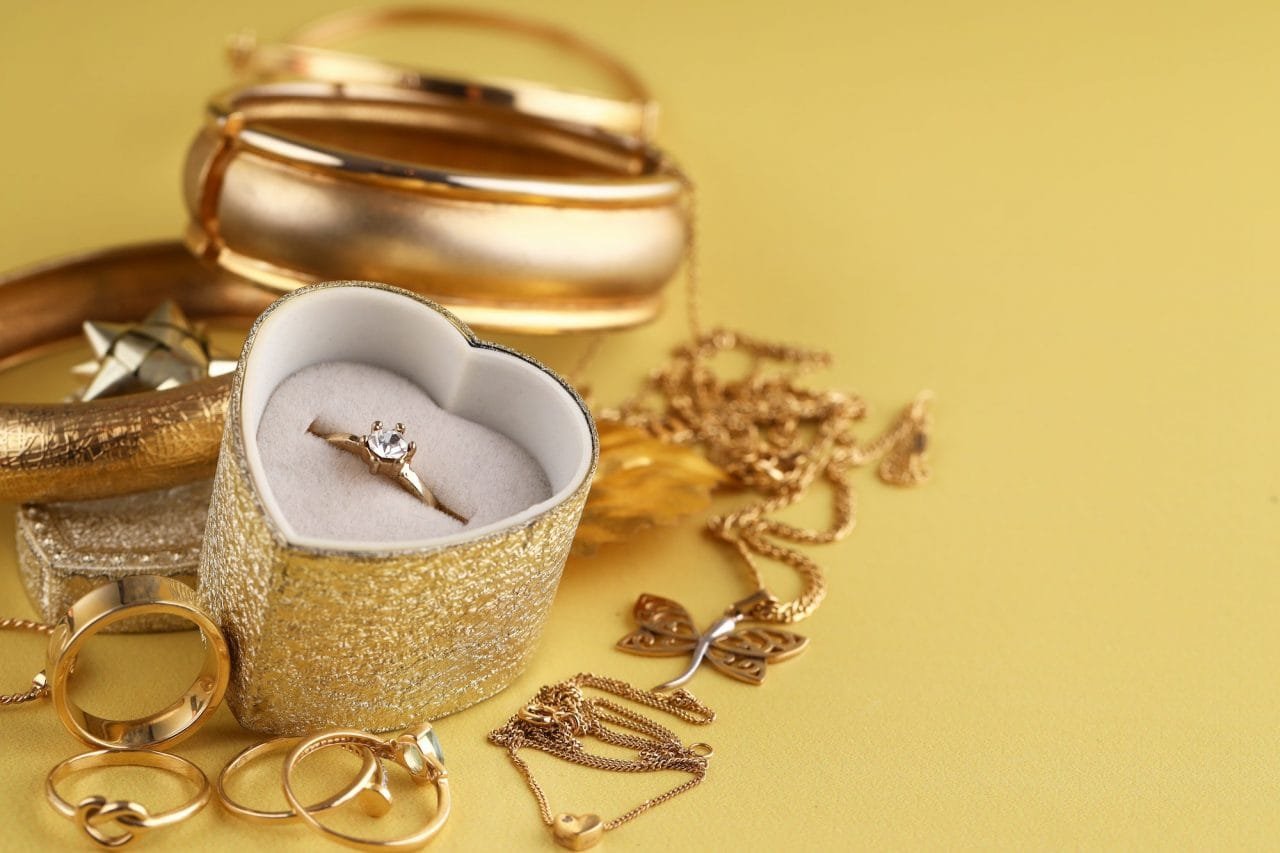
Assign each piece a simple code, such as R01 for a ring. Photograph the whole item and distinctive details, such as an engraving or pattern. Note its type, colour and visible features to help you identify it later.
2. Transfer information from the receipt
Write down the purchase date, retailer, weight and purity as shown on the paperwork. Label anything missing as “not yet confirmed”. Save a receipt copy with the same code and keep documented figures separate from your own estimates. An inventory or photograph does not replace an authenticity assessment.
3. Log repairs and alterations
Record the date and work carried out after professional cleaning, repairs or resizing. Add service paperwork where available. If you receive an updated weight or condition description, note who supplied it so it is clear how the record has changed.
4. Check your list and limit access
Match your pieces to the photos and paperwork when reviewing the collection. Update the list when an item is gifted or no longer yours. Keep a backup with restricted access and avoid posting storage locations or a full collection inventory publicly.
Keep it simple
Keep the format simple enough to maintain. A reference code, a few useful photos and receipt details are a practical starting point; add updates whenever something changes.
Related reading: checking a gold jewellery purchase receipt.